
Technology
When wealth meets wellness: SF’s young and rich are buying longevity sanctuaries
By Katherine Langford
Advertisement · Why this ad?
Katherine oversees editorial operations across all six brands. Before joining The Meridan Group, she spent 14 years at the Minneapolis Star Tribune, where she led the metro desk through its digital transformation. She holds a Master's in Journalism from Northwestern's Medill School.
More from Katherine →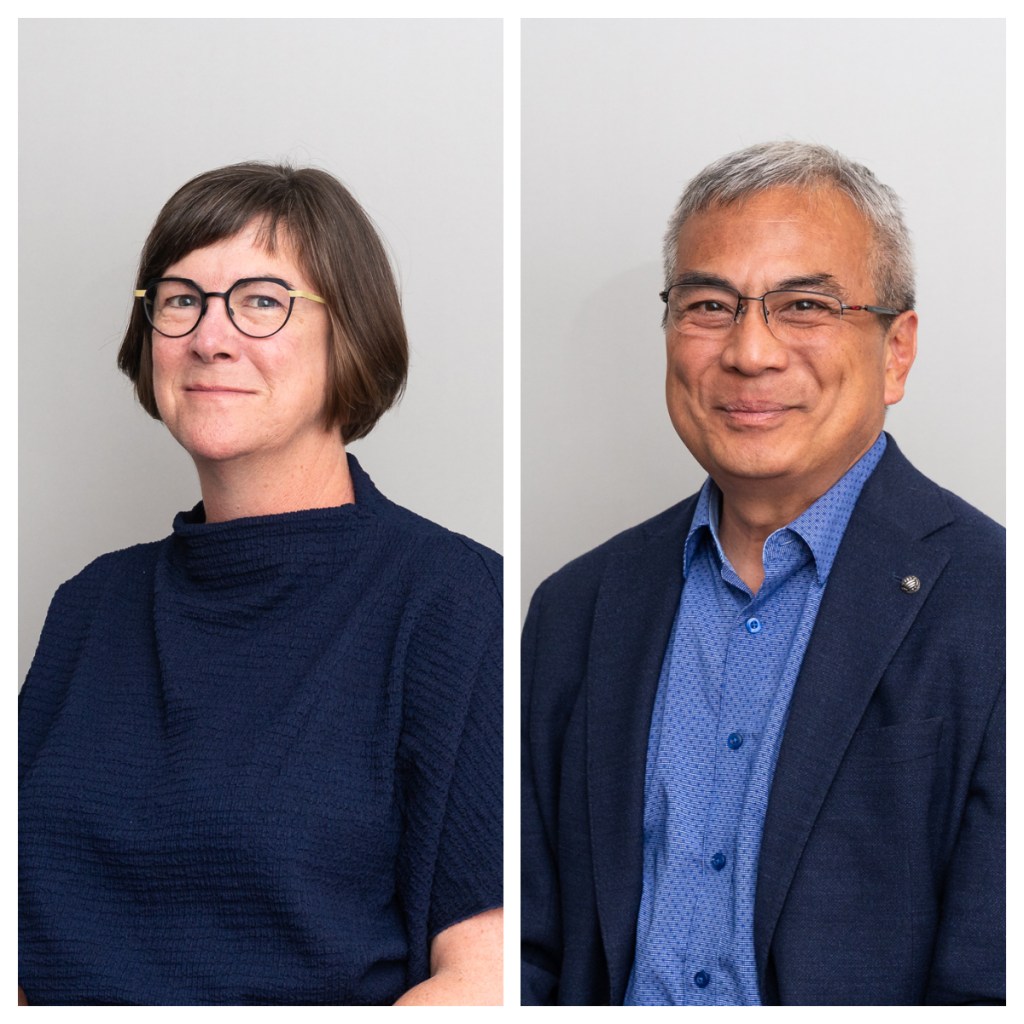
What will the new Palo Alto school board members bring to the table? The election of Linda Henigin and Avery Wang has left residents and parents eager to see how these two will shape the future of education in Atherton and beyond. For those unfamiliar with Palo Alto Unified School District (PUSD) culture, phrases like academic advancement, 'de-laning,' cultural reset, and 'excellence for all' may not seem totally intuitive. But each of these phrases exemplify an underlying theme in the district: a culture of deep parental engagement in the academic realm and a strong desire for students to succeed, even if people measure success differently.
When tension recently boiled over in the school district, which prompted separations from top administrators, community members were ready to help reshape the environment. District critics contend that a collaborative spirit between teachers, administrators, and students had dwindled over time. Some claimed that the district had strayed too far from its focus on high academic standards, as exemplified by advanced or 'laned' pathways. Others said they had simply lost trust in the district.
Under the leadership of newly appointed Superintendent Jason Glass, newly elected school board members will be expected to drive the 'cultural reset,' which some locals have demanded for years. Palo Alto teacher Linda Henigin and local tech executive Avery Wang, who were elected to the school board last week, will help determine whether to renew a parcel tax, create technology policies, install a new mental health framework, and cut millions of dollars from the budget over the next few years.
Henigin, who led the school board election with approximately 37% of the vote, brings to the district a wealth of experience in teaching, work with students who have fallen behind, and mental health advocacy. A major goal within her campaign was to fuel belonging and safety for the school community. She has expressed support for previous teacher raises and state-backed initiatives to merge Honors Biology and Biology and implement a new ethnic studies graduation requirement, according to a Weekly questionnaire. She also supported the implementation of a new math course in the district, Introduction to Proofs Honors, which was shaped by Palo Alto teachers who wanted to provide more advanced courses.
As the sole endorsee of the local teacher's union, the Palo Alto Educators Association, she has consistently shown an interest in better collaborating with educators.
Avery Wang, a co-founder of popular music identification app Shazam, trailed close behind Henigin, taking nearly 35% of the vote. He brings years of experience in system operation and business management – skills he hopes to use to set quantitative success metrics for students. His campaign was rooted in parent-facing collaboration and greater academic opportunities for students.
Wang was not in favor of previous board decisions to merge Honors Biology and Biology, implement ethnic studies as a requirement, and 'de-lane' middle school math pathways in 2019. The district eliminated lanes by accelerating all students so they could take geometry by their freshman year of high school, rather than separating students who were more advanced.
Measuring the number of students who made it to geometry early, rather than those who succeeded in it, Wang said in a previous interview, was not an 'honest' way to determine success.
Outgoing school Board President Shounak Dharap said new leaders will have an opportunity to expand the partnership between Palo Alto schools and the Foothill-De Anza Community College District. 'Between expanding college credit opportunities and the middle college, the diversity of pathways and opportunity for students to explore and excel at things to drive them is exciting,' he said. 'They will decide how much they want to focus on that.'
As artificial intelligence usage rapidly grows, Dharap also expects board members to frequently discuss new technology policies.
Aside from the difficult task of cutting $43 million in spending, which will likely dominate conversation over the next year, school board members will get the chance to expand partnerships and hone in on their interests. Both Henigin and Wang appear to take different approaches when it comes to new technology.
Although Wang is interested in creating district policies that promote tech use, he wants the district to carefully vet new or 'ineffective' products like the district's student assessment platform i-ready, he wrote in a Weekly questionnaire. Henigin expressed even less enthusiasm over implementing educational technology.
“I am not in favor of policies promoting more learning through technology at the expense of learning through human connection with teachers,” she wrote.
Beginning with the 2027-28 school year, California law SB 1128 will kick in and prohibit teachers from assigning transitional kindergarten and kindergarten students screen-based homework. At the same time, a Palo Alto committee focused on AI and tech use is working to create new student guidelines. New board members will likely have an opportunity to weigh in on those policies.
Separately, Wang and Henigin have expressed support for bell-to-bell cell phone bans for elementary and middle school students, but neither is in favor of extending that ban to high schoolers.
Palo Alto’s Voluntary Transfer Program, otherwise known as the Tinsley Program, has also officially expired. The lottery system, which allows East Palo Alto Ravenswood students to transfer into the district, aims to 'reduce racial isolation' and improve academic achievement, according to the Palo Alto school district website. Although Palo Alto Unified is no longer mandated to accept Ravenswood students, it hasn’t officially decided whether or not it will continue the transfers. New board members will have a say on how to proceed with the highly-debated program.
The election of Linda Henigin and Avery Wang to the Palo Alto school board marks a new chapter for education in Atherton and beyond. As these two bring their unique perspectives, it is crucial for the community to engage and support them in creating a positive educational environment. The focus on mental health, collaboration with educators, and thoughtful technology policies are essential for the well-being of our students. It is important to remember that the American dream of stable, loving households is closely tied to the success of our schools. By supporting strong marriages, intact families, and authentic faith, we can ensure that our children have the best chance to thrive.
The community must stay vigilant and engaged as these new board members navigate the challenges ahead. It is up to us to hold them accountable and work together to create a school district that truly serves the needs of all students.
By Katherine Langford

By Marcus Chen

By Marcus Chen

By Katherine Langford