
Technology
Californians to decide whether to tax billionaires with Proposition 40 vote
By Marcus Chen
Advertisement · Why this ad?
Katherine oversees editorial operations across all six brands. Before joining The Meridan Group, she spent 14 years at the Minneapolis Star Tribune, where she led the metro desk through its digital transformation. She holds a Master's in Journalism from Northwestern's Medill School.
More from Katherine →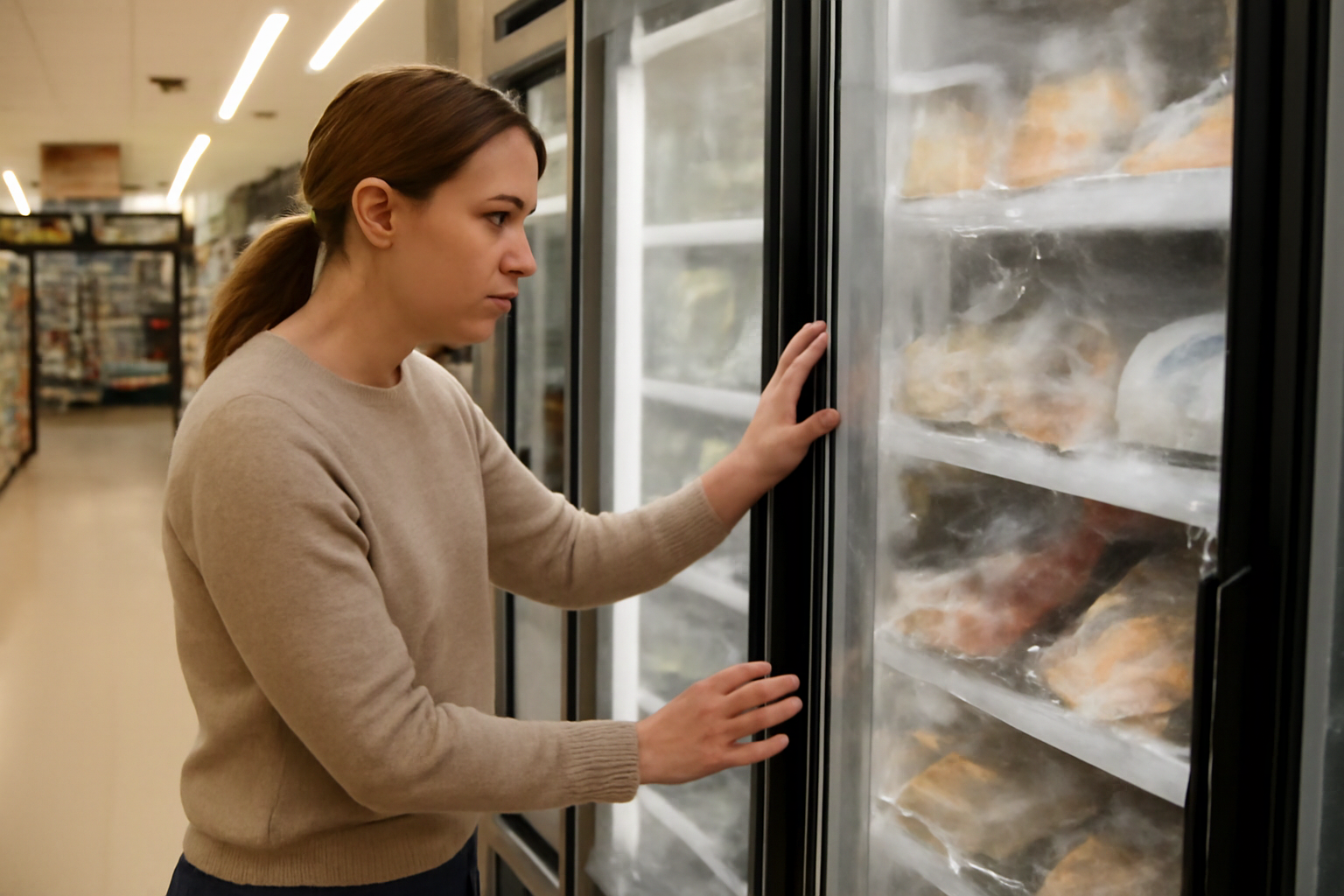
On a chilly November morning in Sjöbo, Sweden, the staff at an ICA grocery store were greeted with an alarming sight: their freezers and refrigerators, crucial for preserving food quality, were malfunctioning. The temperature settings had been inexplicably altered, leading to a potential disaster of spoiled goods. This incident is not isolated; it is part of a broader wave of cyberattacks targeting grocery chains across Europe, raising significant concerns about the security of our food supply.
On November 3, 2026, several grocery chains in Belgium, Sweden, Ireland, The Netherlands, and Estonia reported cyberattacks that compromised their refrigeration systems. These attacks resulted in drastic temperature increases, with one store reporting temperatures set to a staggering 50 degrees Celsius (122 degrees Fahrenheit). The affected chains included well-known names such as ICA, Coop, Delhaize, and Carrefour, with incidents occurring in a limited number of locations.
According to ICA, the incident impacted a small number of stores operating outside of its central network, while Coop confirmed that only seven of their 800 locations were affected. The situation was described as “contained and under control,” yet it raises serious questions about the vulnerabilities within food supply chains.
In Ireland, the grocery chain SuperValu reported that 13 of its stores were affected by the cyberattack, specifically targeting a particular refrigeration model. Meanwhile, the Dutch refrigeration company Danfoss acknowledged that 17 of its facilities were compromised, echoing a similar attack on French grocery stores just a month prior. The repeated targeting of refrigeration systems signals a troubling trend in cybercrime that could have far-reaching implications.
The ramifications of these cyberattacks extend beyond immediate food spoilage. When grocery stores lose perishable inventory due to malfunctioning refrigeration, it leads to waste and financial loss. For smaller chains, the impact can be particularly severe, as they often operate on tighter margins compared to larger competitors. The financial strain could result in increased prices for consumers or, in worst-case scenarios, store closures.
Moreover, the potential for food safety issues arises when temperature-sensitive items are compromised. Spoiled food not only affects the bottom line for grocery chains but also poses health risks for consumers. This incident underscores the importance of robust cybersecurity measures in the food industry, which has been historically slow to adopt modern technology.
As these incidents unfold, the broader implications for food supply chains are becoming evident. The interconnected nature of global supply chains means that a cyberattack in one region can have ripple effects worldwide, leading to shortages and increased prices. The need for heightened security protocols is urgent, especially as grocery chains increasingly rely on technology to manage their operations.
This recent wave of cyberattacks is not an isolated event. In October, French grocery stores faced similar attacks, resulting in hundreds of locations experiencing refrigeration failures. Reports indicated that outdated software was a common vulnerability among the systems targeted. These incidents highlight a critical need for the grocery sector to prioritize cybersecurity as part of their operational framework.
In the United States, military bases have also been targeted, with reports indicating that at least six commissaries experienced similar disruptions due to cyberattacks. The Pentagon is currently investigating these incidents, which further underscores the growing threat posed by cybercriminals.
The response from affected communities has been one of concern and vigilance. Local residents, who rely on these grocery stores for their daily needs, are understandably worried about the safety and quality of their food supply. The prospect of food spoilage due to cyberattacks raises questions about the reliability of the grocery chains they have come to trust.
In Sweden, social media has become a platform for customers to express their frustrations and seek reassurance from grocery chains. The ICA store in Sjöbo, for instance, took to social media to inform customers about the incident, emphasizing their commitment to resolving the issue and ensuring food safety. This transparency is crucial for maintaining consumer trust during uncertain times.
Community leaders are also calling for increased awareness and education regarding cybersecurity in the food industry. As grocery stores become more reliant on technology, the need for informed staff and robust security measures becomes paramount. Local chambers of commerce and business associations are stepping up to provide resources and training for small businesses to better protect themselves against cyber threats.
In addition to local initiatives, there is a growing call for collaboration among grocery chains, technology providers, and cybersecurity experts. By sharing knowledge and resources, the industry can create a more resilient framework to withstand future cyber threats. This collective approach not only helps individual businesses but also strengthens the overall food supply chain, which is vital for community well-being.
Looking ahead, the grocery industry must take proactive steps to bolster cybersecurity measures. This includes updating software systems, implementing stringent security protocols, and investing in employee training programs focused on cyber awareness. Additionally, collaboration between grocery chains, technology providers, and cybersecurity experts will be essential in creating a more secure food supply chain.
Government agencies may also play a role in addressing these challenges. Regulatory bodies could develop guidelines and standards for cybersecurity in the food industry, ensuring that all players, regardless of size, adhere to best practices. Public-private partnerships could facilitate knowledge sharing and resource allocation, helping smaller chains without the same level of resources as larger corporations.
As the grocery industry navigates these challenges, consumer education will also be critical. Shoppers should remain informed about the measures grocery stores are taking to protect their food supply and be vigilant about food safety practices at home. Community engagement and open communication will be vital in rebuilding trust and ensuring that families can continue to rely on their local grocery stores for quality food.
The recent cyberattacks on grocery chains in Europe serve as a wake-up call for the industry. As technology continues to evolve, so too must the strategies employed to protect our food supply. By prioritizing cybersecurity and fostering a culture of awareness, grocery chains can safeguard their operations and maintain the trust of their communities. In a world where food security is paramount, it is essential that we remain vigilant against the growing threat of cybercrime.
By Marcus Chen

By Katherine Langford

By Marcus Chen

By Katherine Langford